
The connection between diabetes and vision loss is more common than most patients realize. High blood sugar, over time, can quietly damage the delicate blood vessels inside your eyes, often long before you notice any change in how you see. By the time vision problems become apparent, the disease may already be in an advanced stage.
At DiGaetano Cataract Services, we understand that managing a chronic condition can feel overwhelming at times. Our role is to make one part of that journey a little easier. A comprehensive diabetic eye exam is a straightforward, painless appointment that gives us the clearest possible picture of your eye health.
Why Diabetic Eye Care Cannot Wait
If you have been diagnosed with diabetes, type 1 or type 2, your eyes are at risk in ways that can go completely unnoticed until significant damage has already occurred. The part of your eye responsible for sharp central vision, called the retina, is threaded with tiny blood vessels. Over time, high blood sugar can weaken and damage those vessels, leading to a condition called diabetic retinopathy.
Unfortunately, diabetic retinopathy causes no pain and produces no obvious warning signs in its early stages. Many patients are shocked to learn they have it because their vision felt perfectly fine. That is exactly why a regular diabetic eye exam is one of the most important things you can do for your long-term health.
Diabetic retinopathy is the most common concern, but it is not the only one. People with diabetes are also at higher risk for cataracts, glaucoma, and diabetic macular edema, which is swelling in the center of the retina. Your exam at DiGaetano Cataract Services screens for all of these.
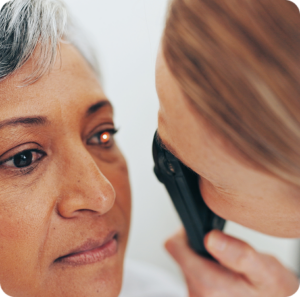
What to Expect During Your Diabetic Eye Exam
We know that medical appointments can feel stressful, especially when you are already managing a complex condition like diabetes. Our goal is to make your visit as comfortable, straightforward, and reassuring as possible. Here is a simple walkthrough of what happens:
Check-In and Health Review
We will briefly review your medical history, current medications, and recent blood sugar levels. Bring your most recent A1C result if you have it. It will help us understand how well-controlled your diabetes has been.
Dilating Your Eyes
Eye drops are used to temporarily widen your pupils. This gives our doctors a clear, wide view of the retina and the optic nerve at the back of the eye. Dilation lasts 4 to 6 hours, so plan to have someone drive you home.
Retinal Imaging and Examination
Using advanced imaging technology, we capture detailed photographs of your retina. These images allow us to spot even the smallest changes in your blood vessels and track them over time.
Results and Next Steps
We will sit down with you to explain exactly what we found. If any concerns are identified, we will walk you through your options clearly and calmly.


When to Call Us Before Your Annual Exam
While annual exams are essential, some symptoms mean you should contact us right away rather than waiting for your next scheduled visit. Please reach out promptly if you experience any of the following:
- Sudden blurry or distorted vision in one or both eyes
- Floaters, spots, or dark strings drifting across your field of vision
- Flashes of light or a dark shadow covering part of your vision
- Difficulty reading, recognizing faces, or seeing fine detail
- Colors appearing washed out or faded
- Persistent eye pain or unusual pressure
These symptoms are not always a sign of something serious, but with diabetes in the picture, they deserve prompt professional attention. Do not wait to see if they go away on their own.
Book your appointment today.
If you’re due for a routine eye exam or exploring advanced treatment options, our team is here to make the process simple and stress-free. We combine personalized care with modern technology to ensure you feel confident in your vision and your experience.
Your vision deserves expert care, let’s take the next step together.
Book NowHow Often Should You Have a Diabetic Eye Exam?
The American Diabetes Association recommends that most adults with type 2 diabetes have a comprehensive dilated eye exam at the time of diagnosis, then annually after that. People with type 1 diabetes should begin yearly exams within five years of diagnosis.
If diabetic retinopathy has already been identified, we may recommend more frequent monitoring, every three to six months, to keep a close watch on how things are progressing. Your specific schedule will depend on your individual circumstances, and we will always explain our reasoning so you feel informed and confident in your care plan.
Schedule a Consultation
If you have diabetes and haven’t yet gotten a diabetic eye exam, now is the perfect time. Our team at DiGaetano Cataract Services will walk you through each step of the exam to ensure you’re comfortable and informed. Take the first step and schedule a consultation today. Call our office or message us via our online contact form.
Learn more about your eye eyecare with our blogs.
Explore our collection of expert-led articles to better understand your diagnosis, prepare for upcoming procedures, and stay updated on the innovations shaping the future of eyecare. We invite you to delve into our professional insights and take an active role in preserving your most precious sense.
Read Our Blogs
How Cataracts Gradually Affect Vision and What You Can Do
Cataracts are a very common part of the aging process and one of the most treatable causes of vision loss. In most cases, cataracts do not appear suddenly. Instead, they develop slowly over time, often making it difficult to recognize how much vision has changed until daily activities become more challenging. At DiGaetano Cataract Services, […]
Read moreFrequently Asked Questions
Is a diabetic eye exam different from a regular eye exam?
Yes. A routine vision exam primarily checks your prescription and general eye health. A diabetic eye exam specifically focuses on the health of your retina and blood vessels using dilation and advanced retinal imaging. It is a more thorough internal examination designed to catch the subtle vascular changes that diabetes can cause, changes that a standard exam might miss entirely.
My blood sugar has been well controlled. Do I still need annual exams?
Absolutely. Good blood sugar control greatly reduces your risk and can slow the progression of diabetic eye disease, but it does not eliminate the risk altogether. Changes can still develop even when diabetes is well-managed, and the only reliable way to detect them early is through a regular dilated eye exam. Think of it as part of your overall diabetes management routine, not an optional add-on.
Does the exam hurt? What should I expect afterward?
The exam itself is painless. The eye dilation drops may cause a brief stinging sensation for a second or two, and your eyes may feel sensitive to bright light for several hours afterward. You will also notice that close-up vision, like reading a phone or a book, is temporarily blurry. We recommend wearing sunglasses after your appointment and arranging a ride home, as you should not drive while your eyes are dilated.
Will insurance cover my diabetic eye exam?
Most insurance plans cover annual diabetic eye exams because they are recognized as medically necessary care for people with diabetes. We encourage you to check with your insurance provider ahead of your visit, and our front office team is always happy to help you understand your coverage and any out-of-pocket costs before your appointment.
What happens if diabetic retinopathy is found?
Finding diabetic retinopathy early is genuinely good news, because early-stage disease can often be monitored and managed very effectively. Depending on the severity, treatment options range from closer monitoring and lifestyle guidance to laser therapy or injections that reduce swelling and prevent further blood vessel damage

