
What Is Glaucoma?
Glaucoma is a group of eye conditions that damage the optic nerve, the vital connection between your eyes and your brain. In most cases, this damage is caused by elevated pressure inside the eye.
Because glaucoma develops slowly and often without noticeable symptoms in its early stages, it has earned the nickname “the silent thief of sight.”
The good news? When caught early, glaucoma is highly manageable. With the right diagnosis and treatment plan, the vast majority of patients are able to preserve their vision and maintain their quality of life. That is why routine eye exams and prompt glaucoma testing are so important.
Who Is at Risk for Glaucoma?
Anyone can develop glaucoma, but certain factors increase your risk. You may be more likely to develop the condition if you:
- Are over the age of 60
- Have a family history of glaucoma
- Have elevated eye pressure (also called intraocular pressure or IOP)
- Have diabetes, high blood pressure, or heart disease
- Have had a previous eye injury or surgery
- Are of African, Hispanic, or Asian descent
If any of these apply to you, scheduling a comprehensive glaucoma screening at DiGaetano Cataract Services is one of the most important steps you can take for your long-term eye health.


How Is Glaucoma Diagnosed?
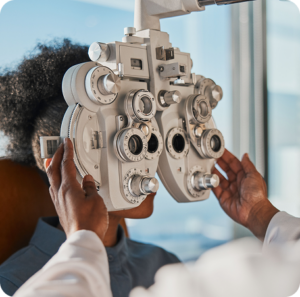
At DiGaetano Cataract Services, our team walks you through every step of the glaucoma diagnosis process in a comfortable, welcoming environment. Some of what you can expect includes;
Comprehensive Eye Pressure Testing (Tonometry)
One of the first steps in a glaucoma evaluation is measuring the pressure inside your eyes. This quick, painless test is called tonometry. Elevated eye pressure is one of the most common indicators of glaucoma risk.
Optic Nerve Evaluation
Our specialists will carefully examine the health of your optic nerve using advanced imaging technology. Changes in the shape or color of the optic nerve can be early warning signs of glaucoma, even before you notice any vision changes.
Visual Field Testing
Glaucoma often affects peripheral (side) vision first. A visual field test maps out your full range of vision to detect any blind spots or areas of vision loss that may indicate nerve damage.
Optical Coherence Tomography (OCT)
Our clinic also uses optical coherence tomography, a non-invasive imaging scan that provides a detailed, cross-sectional view of your optic nerve and retinal nerve fiber layer. This cutting-edge technology allows us to detect glaucoma changes at the earliest possible stage.
Gonioscopy
In some cases, your doctor may perform a gonioscopy, a simple procedure that examines the drainage angle of your eye to determine what type of glaucoma may be present and how best to treat it.
Book your appointment today.
If you’re due for a routine eye exam or exploring advanced treatment options, our team is here to make the process simple and stress-free. We combine personalized care with modern technology to ensure you feel confident in your vision and your experience.
Your vision deserves expert care, let’s take the next step together.
Book NowTreatment and Next Steps After Diagnosis
If glaucoma is detected, your vision is not beyond help. Treatment options range from prescription eye drops and laser therapy to minimally invasive surgical procedures. Our team at DiGaetano Cataract Services will work closely with you to develop a personalized treatment plan based on your specific diagnosis, lifestyle, and goals.
The sooner glaucoma is identified, the more treatment options are available to you and the better your long-term outcome.
Learn more about your eye eyecare with our blogs.
Explore our collection of expert-led articles to better understand your diagnosis, prepare for upcoming procedures, and stay updated on the innovations shaping the future of eyecare. We invite you to delve into our professional insights and take an active role in preserving your most precious sense.
Read Our Blogs
How Cataracts Gradually Affect Vision and What You Can Do
Cataracts are a very common part of the aging process and one of the most treatable causes of vision loss. In most cases, cataracts do not appear suddenly. Instead, they develop slowly over time, often making it difficult to recognize how much vision has changed until daily activities become more challenging. At DiGaetano Cataract Services, […]
Read moreWhen Should You Schedule a Glaucoma Screening?
Do not wait for symptoms to appear. We recommend scheduling a comprehensive glaucoma evaluation if you:
- Have any of the risk factors listed above
- Have noticed gradual changes in your peripheral vision
- Have a family member who has been diagnosed with glaucoma
- Experience frequent headaches or eye pain
Schedule a Consultation
At DiGaetano Cataract Services, we are committed to catching glaucoma early and giving every patient the personalized care they deserve. Our experienced team, state-of-the-art diagnostic equipment, and patient-centered approach make us a trusted partner in your vision health.
Contact DiGaetano Cataract Services today to schedule your comprehensive glaucoma screening. Early detection is the most powerful tool you have, and we are here to help.
Frequently Asked Questions About Glaucoma Diagnosis
Is a glaucoma test painful?
Not at all. The tests used to diagnose glaucoma, including eye pressure checks, imaging scans, and visual field tests, are non-invasive and painless.
How often should I be screened for glaucoma?
For most adults over 40, a comprehensive eye exam every one to two years is recommended. If you have known risk factors, your doctor may suggest annual screenings. Our team will help determine the right schedule based on your individual health profile.
Can glaucoma be cured?
While there is currently no cure for glaucoma, it is very controllable. With early diagnosis and consistent treatment, most patients are able to preserve their vision and live full, active lives. The key is catching it before significant damage occurs.
What is the difference between open-angle and closed-angle glaucoma?
Open-angle glaucoma is the most common form and develops slowly over time, often without symptoms. Closed-angle glaucoma (also called narrow-angle glaucoma) is less common but can develop rapidly and may cause sudden eye pain, headaches, and blurred vision.
Will I lose my vision if I have glaucoma?
With early detection and proper treatment, most people with glaucoma do not lose their vision. It’s why regular screenings are so critical. The earlier we identify the condition, the more effectively we can protect your sight and slow or stop the progression of the disease.

