
Here is the important thing to understand: glaucoma is very manageable when caught early. With the right treatment, most patients can protect their vision and continue living life without major limitations. The key is finding it before it causes harm.
What Is Glaucoma?
Glaucoma is an eye disease that usually has no signs or symptoms, yet can lead to permanent vision loss if left undetected and untreated. It is characterized by damage to the optic nerve, the large nerve that connects your eyes to your brain. The optic nerve is what transmits the images created in your eyeballs to your brain, and a healthy optic nerve is needed for normal vision.
Vision loss from glaucoma starts with peripheral (side) vision, but can eventually progress to include all vision. This is why regular glaucoma evaluations are so important, even when you feel perfectly fine.
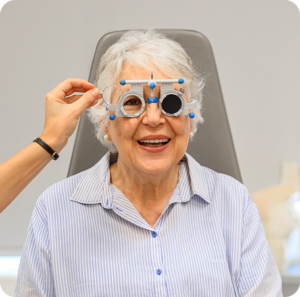
What to Expect During a Glaucoma Evaluation at DiGaetano Cataract Services
A glaucoma evaluation is a thorough, comfortable, and non-invasive process. During your exam at DiGaetano Cataract Services, our team will take a careful, multi-step approach to assess your eye health and screen for any signs of this condition.
Optic Nerve Examination
We carefully examine the optic nerve inside your eye for any signs of damage or structural changes associated with glaucoma.
Eye Pressure Measurement
Elevated eye pressure (intraocular pressure) is a major risk factor for glaucoma. We will measure your eye pressure at every visit as part of your routine exam.
Visual Field Testing
If any signs of glaucoma are detected, we can perform visual field testing to map your peripheral vision and identify any areas of loss.
Advanced Diagnostic Equipment
We use specialized equipment specifically designed to detect glaucoma in its earliest, most treatable stages, long before vision loss begins.


Who Is at Risk for Glaucoma?
While glaucoma can affect anyone, certain factors increase a person’s likelihood of developing the condition. You may be at higher risk if you:
- Are over the age of 60
- Have a family history of glaucoma
- Have elevated eye pressure
- Have certain medical conditions, such as diabetes or high blood pressure
- Are of African, Hispanic, or Asian descent (certain types of glaucoma are more prevalent in these populations)
- Have had an eye injury or prior eye surgery
- Use corticosteroid medications long-term
Even if none of these risk factors apply to you, regular eye exams that include glaucoma screening are still important. Because glaucoma can develop without any identifiable risk factors, routine evaluation is the most reliable way to stay ahead of it.
How Vision Loss from Glaucoma Progresses
Understanding how glaucoma develops helps explain why early detection is so critical. Vision loss from glaucoma does not happen overnight. It begins gradually at the outer edges of your visual field, the area you use for peripheral, or “side,” vision. In the early stages, many people compensate naturally without realizing anything is wrong.
Over time, if glaucoma goes undetected and untreated, that peripheral vision loss can slowly expand inward, narrowing your field of view. In advanced stages, central vision can become affected as well. Once vision is lost to glaucoma, it cannot be restored. That is what makes detection and treatment so urgent.
The good news: with monitoring and appropriate care, the progression of glaucoma can typically be slowed or stopped entirely. Most people who are diagnosed early and treated appropriately are able to maintain their vision for life.
Book your appointment today.
If you’re due for a routine eye exam or exploring advanced treatment options, our team is here to make the process simple and stress-free. We combine personalized care with modern technology to ensure you feel confident in your vision and your experience.
Your vision deserves expert care, let’s take the next step together.
Book NowWhy Choose DiGaetano Cataract Services for Your Glaucoma Evaluation?
At DiGaetano Cataract Services, we believe that protecting your vision starts with listening to you and treating you as an individual. We combine compassionate care with advanced diagnostic tools, so you receive both the attention you deserve and the accuracy you need.
We use specialized equipment specifically designed to detect glaucoma in its earliest, most treatable stages. This means catching subtle changes in the optic nerve and visual field that might be missed with less advanced tools, and taking action before any vision loss occurs.
If any concern is identified, we will discuss next steps clearly and work with you to create a plan you feel confident about.
Schedule a Consultation
Don’t allow glaucoma to go undetected. By scheduling an eye exam with our team at DiGaetano Cataract Services, you can trust that your eye health is in good hands and that if your eyes are showing early signs of glaucoma, we will detect it and help you determine the right next steps for you. Call our office or message us today!
Learn more about your eye eyecare with our blogs.
Explore our collection of expert-led articles to better understand your diagnosis, prepare for upcoming procedures, and stay updated on the innovations shaping the future of eyecare. We invite you to delve into our professional insights and take an active role in preserving your most precious sense.
Read Our Blogs
How Cataracts Gradually Affect Vision and What You Can Do
Cataracts are a very common part of the aging process and one of the most treatable causes of vision loss. In most cases, cataracts do not appear suddenly. Instead, they develop slowly over time, often making it difficult to recognize how much vision has changed until daily activities become more challenging. At DiGaetano Cataract Services, […]
Read moreFrequently Asked Questions About Glaucoma Evaluations
Is a glaucoma evaluation painful or uncomfortable?
Not at all. The components of a glaucoma evaluation, including the optic nerve exam and eye pressure measurement, are completely non-invasive and painless. Some patients experience a brief sensation during the pressure test, but it is very mild and lasts only a moment. Most people find the entire process quick and easy.
How often should I be screened for glaucoma?
For most adults between 40-54 years old, we recommend a comprehensive eye exam that includes glaucoma screening every 2 to 4 years; 55 to 64 years—every 1 to 3, and 65 or older every one to two years. If you have risk factors such as a family history of glaucoma, elevated eye pressure, or certain health conditions, your doctor may recommend more frequent evaluations. We will help you determine the right schedule based on your individual situation.
Can glaucoma be cured?
Glaucoma cannot currently be cured, and any vision lost to it cannot be restored. However, with early detection and appropriate treatment, such as prescription eye drops, laser therapy, or surgery (in some cases), the disease can almost always be managed effectively.
What if glaucoma is found during my exam?
If signs of glaucoma are detected, there is no need to panic. Our team will take the time to explain exactly what was found, answer your questions, and discuss the best path forward with you.

