
Glaucoma is one of the leading causes of preventable blindness worldwide, yet when detected early and managed properly, vision loss can often be prevented. Our team is experienced in the medical management of glaucoma, offering personalized treatment plans designed to protect your eyesight for the long term.
What Is Glaucoma?
Glaucoma is a group of eye conditions that damage the optic nerve, which is the vital connection between your eye and your brain. In most cases, this damage is caused by increased pressure inside the eye, a measurement known as intraocular pressure (IOP). Think of it like a tire with too much air: over time, excessive pressure can cause gradual, permanent damage.
One of the most challenging aspects of glaucoma is that it often develops without obvious symptoms in its early stages. Vision loss typically begins at the edges of your sight (peripheral vision) and progresses slowly. By the time many people notice a change, significant damage may already have occurred. This is why regular eye exams and early intervention are so important.
Common Types of Glaucoma We Treat
There are several types of glaucoma that we treat at DiGaetano Cataract Services, including the following:
- Open-angle glaucoma:
The most common form, developing slowly over time with no pain or early vision changes. - Angle-closure glaucoma:
A less common but more urgent form that can cause sudden eye pain, headache, and blurred vision. - Normal-tension glaucoma:
Optic nerve damage that occurs even when eye pressure is within the normal range. - Secondary glaucoma:
Caused by another condition such as injury, inflammation, or medication use.


Your Medical Management Glaucoma Treatment Options
The primary goal of glaucoma treatment is to lower intraocular pressure and protect the optic nerve from further damage. At DiGaetano Cataract Services, we start with the least invasive approach and tailor your treatment to your specific type of glaucoma, overall eye health, and lifestyle.
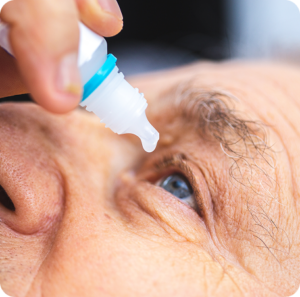
Prescription Eye Drops for Glaucoma
For most patients, glaucoma management begins with prescription eye drops or in-office laser treatment. Medications work either by reducing the amount of fluid your eye produces or by helping fluid drain more efficiently, both of which help lower eye pressure. There are several classes of glaucoma eye drops, and our doctors will recommend the option that is safest and most effective for you. Many patients find that consistent use of their prescribed drops are all that is needed to keep their glaucoma well controlled.
Oral Medications and Combination Therapies
When eye drops alone or laser therapies are not sufficient, oral medications such as carbonic anhydrase inhibitors may be prescribed to further reduce eye pressure. In some cases, a combination of eye drop types or add-on therapies provides the best level of control. Our team will closely monitor your response to treatment and adjust your plan as needed.
In-Office Laser Treatment
Selective Laser Trabeculoplasty (SLT) is a type of laser treatment that lowers the intraocular pressure. More specifically, it helps glaucoma patients by applying laser energy to the eye’s drainage tissue, allowing the fluid to better drain in the eye. It’s a completely safe and non-invasive in-office procedure and is most often used as the first line of treatment for open-angle glaucoma. It can also often reduce or completely eliminate the need for daily eye drops.
Book your appointment today.
If you’re due for a routine eye exam or exploring advanced treatment options, our team is here to make the process simple and stress-free. We combine personalized care with modern technology to ensure you feel confident in your vision and your experience.
Your vision deserves expert care, let’s take the next step together.
Book NowWhat to Expect During Glaucoma Treatment at DiGaetano Cataract Services
From your very first appointment, our team will make sure you feel informed, supported, and confident in your care. Here is what you can expect:
- Comprehensive eye pressure testing and optic nerve evaluation to establish your baseline.
- Visual field testing to assess any changes in your peripheral vision.
- A personalized treatment plan explained clearly, with time for all of your questions.
- Regular follow-up appointments to track your response to treatment and catch any changes early.
- Education on how to use your eye drops correctly, because proper technique makes a real difference.
Glaucoma is a condition that requires lifelong monitoring, but with the right team by your side, it is manageable. Many of our patients are surprised to discover how simple and comfortable the process can be.
Learn more about your eye eyecare with our blogs.
Explore our collection of expert-led articles to better understand your diagnosis, prepare for upcoming procedures, and stay updated on the innovations shaping the future of eyecare. We invite you to delve into our professional insights and take an active role in preserving your most precious sense.
Read Our Blogs
How Cataracts Gradually Affect Vision and What You Can Do
Cataracts are a very common part of the aging process and one of the most treatable causes of vision loss. In most cases, cataracts do not appear suddenly. Instead, they develop slowly over time, often making it difficult to recognize how much vision has changed until daily activities become more challenging. At DiGaetano Cataract Services, […]
Read moreWhen to Seek Glaucoma Care
You should schedule a glaucoma evaluation at DiGaetano Cataract Services if you:
- Have been told you have high eye pressure
- Have a family history of glaucoma
- Are over the age of 60, or over 40 if you are of African or Hispanic descent
- Have noticed changes in your peripheral (side) vision
- Experience sudden eye pain, redness, or nausea with visual disturbances (seek urgent care immediately)
Schedule a Consultation
Your eyesight is one of your most precious assets, and you deserve care that takes that seriously. At DiGaetano Cataract Services, our glaucoma specialists combine advanced diagnostics with a warm, patient-first approach to help you safeguard your vision for years to come. To get started, schedule a consultation. Call our office or message us via our online contact form.
Frequently Asked Questions About Glaucoma Treatment
Can glaucoma be cured with medication?
Glaucoma cannot currently be cured, but it can be very effectively controlled. Prescription eye drops and other medications lower the pressure inside your eye to a safe level, which stops or significantly slows damage to the optic nerve. Most patients who begin treatment early and stay consistent with their medications are able to retain good vision throughout their lifetime.
How do I know if my glaucoma treatment is working?
Your doctor will monitor your intraocular pressure at each visit and periodically perform visual field tests and optic nerve imaging to check for any progression. Because glaucoma often has no obvious symptoms, these routine checks are the key way we confirm your treatment is doing its job. If your pressure is within the target range and your optic nerve remains stable, your treatment plan is working.
Are there side effects from glaucoma eye drops?
Some patients experience mild side effects from glaucoma eye drops, such as temporary stinging, redness, or changes in eyelash growth depending on the medication type. Some types of glaucoma medications can have generalized side effects, so it is important to let your doctor know about all medications you take so we can choose the safest option for your overall health. If you experience any discomfort or side effects, please tell us, as there are multiple types of drops available and we can often find an alternative that suits you better.
Will I need to take glaucoma medication forever?
For most patients, glaucoma is a lifelong condition that requires ongoing treatment to keep eye pressure under control. Stopping medication without your doctor’s guidance can allow pressure to rise again and cause further damage to your optic nerve. However, some patients who undergo laser treatment or surgery may be able to reduce or stop their medication use. Your doctor will discuss all available options with you as your treatment progresses.
Is glaucoma hereditary? Should my family members be tested?
Yes, having a close relative with glaucoma significantly increases your own risk of developing the condition. We strongly recommend that first-degree relatives of glaucoma patients, including siblings, parents, and children, receive regular comprehensive eye exams that include glaucoma screening. Early detection in family members means earlier treatment and the best possible chance of preserving vision.

